






Melanotan-2 (MT2) – 10mg | Buy Melanotan 2 USA & Canada
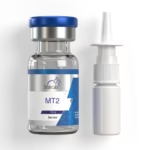
Melanotan-2 (MT2) is a synthetic peptide analog of alpha-MSH (melanocyte-stimulating hormone), widely studied for its role in pigmentation and skin-related research. It is commonly used in studies involving melanin production, UV response, and skin biology.
At Strate Labs, Melanotan-2 10mg is supplied as a high-purity research peptide, handled with strict quality standards to ensure consistency and reliability. Customers looking to buy Melanotan-2 online in the USA or Canada benefit from fast shipping, secure packaging, and a seamless ordering experience.
Key Features & Highlights
- Synthetic analog of alpha-MSH
- Commonly studied for pigmentation and melanin research
- Associated with skin and UV response studies
- Widely used in dermatological research environments
- High-purity peptide for reliable research applications
Research Applications
Melanotan-2 is frequently used in research involving melanin production, skin pigmentation, and UV response pathways. It is commonly studied for its interaction with melanocortin receptors and its influence on skin-related biological processes.
In addition, MT2 is often included in studies exploring skin protection, pigmentation regulation, and dermatological responses. Its unique mechanism makes it a key compound in advanced skin and pigmentation research.